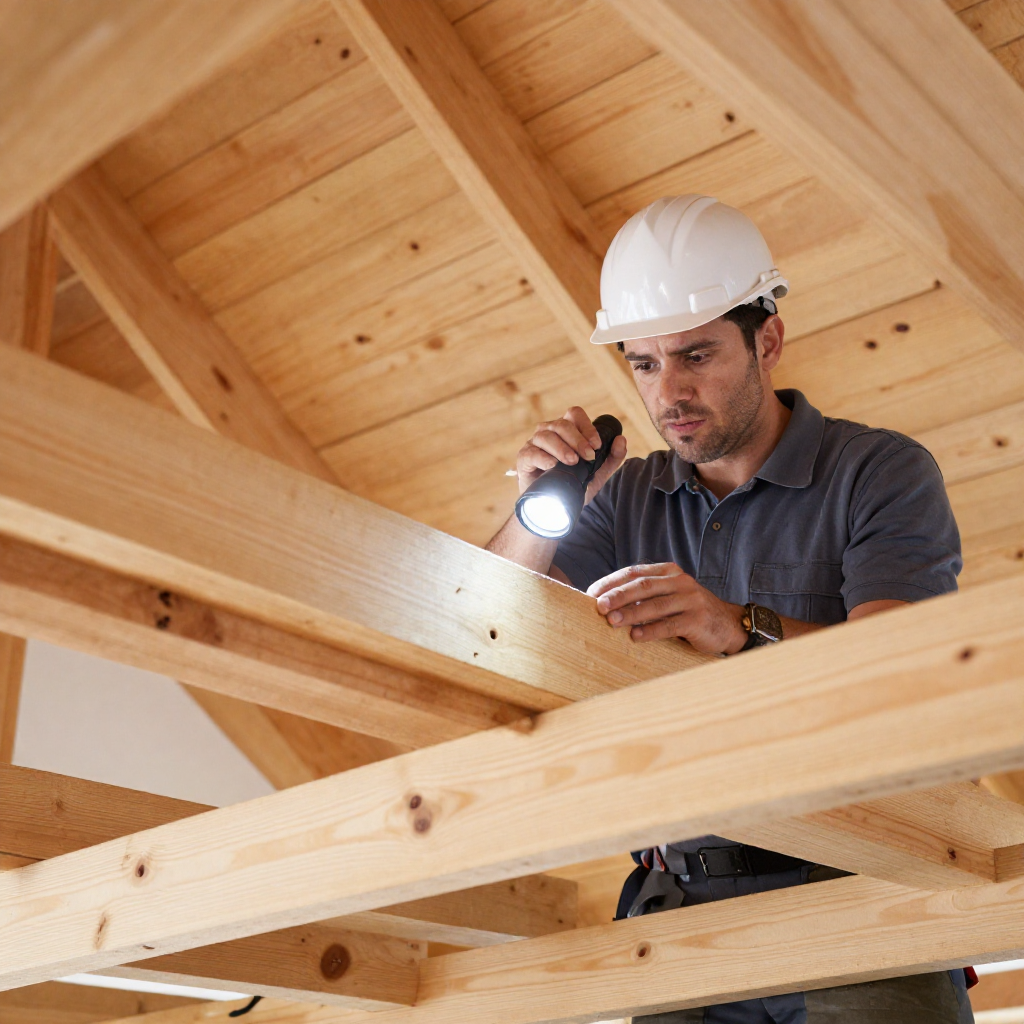
Wood-frame homes have been trusted for centuries because they are strong, energy-efficient, sustainable, and visually appealing. From traditional timber-framed cottages to modern eco-friendly homes, wood remains one of the world’s most popular building materials. However, like any natural material, timber is influenced by the environment around it. Temperature changes, humidity, rainfall, sunlight, snow, and coastal conditions all play a significant role in determining how long a wood-frame home will last.
The good news is that climate-related damage is largely preventable. With proper construction, regular maintenance, moisture control, and early detection of problems such as woodworm or fungal decay, a wood-frame house can remain structurally sound for generations. Modern technologies—including microwave woodworm treatment—also provide effective options for treating localized infestations while preserving valuable timber.
In this guide, we’ll explain how different climates affect wood-frame homes and share practical maintenance strategies to maximize the lifespan of your timber.Visit online https://www.shashel.eu for more details .
Why Climate Matters for Wood Structures
Wood is a natural material that responds to changes in its environment.
As weather conditions change, timber can:
- Expand and contract
- Absorb and release moisture
- Dry out during hot weather
- Retain moisture during prolonged rainfall
- Experience surface weathering from sunlight
These natural changes are expected, but excessive exposure without proper maintenance can lead to deterioration over time.
1. Humid Climates
High humidity is one of the biggest challenges for timber buildings.
When wood remains damp for extended periods, the risk of moisture-related problems increases.
Possible issues include:
- Woodworm activity
- Fungal decay
- Mold and mildew
- Swelling of timber
- Reduced ventilation efficiency
How to Protect Your Home
- Improve attic and crawl space ventilation.
- Repair roof leaks immediately.
- Maintain gutters and downpipes.
- Monitor indoor humidity.
- Keep structural timber dry.
2. Heavy Rainfall
Frequent rain increases the likelihood of moisture penetrating wooden structures.
Areas most at risk include:
- Exterior cladding
- Window frames
- Roof beams
- Decking
- Porch supports
Proper drainage and weatherproofing are essential to prevent long-term damage.
3. Hot and Dry Climates
Extended periods of heat and low humidity can cause timber to lose moisture.
Possible effects include:
- Shrinkage
- Surface cracking
- Minor movement in timber
- Fading caused by UV exposure
Although dry conditions generally discourage many wood-boring insects, protecting exterior timber from sunlight remains important.
4. Cold and Snowy Regions
Snow and freezing temperatures present different maintenance challenges.
Repeated freezing and thawing can expose weaknesses in:
- Exterior finishes
- Roofing materials
- Window seals
- Drainage systems
Ice buildup and melting snow can also introduce excess moisture if drainage is inadequate.
5. Coastal Climates
Homes near the coast face unique environmental conditions.
Salt-laden air, strong winds, and high humidity can accelerate weathering of exterior timber and protective finishes.
Regular inspections are particularly important in coastal areas to ensure timber remains well protected.
Moisture Is the Greatest Threat
Regardless of climate, moisture is the single most important factor affecting timber durability.
Persistent dampness can encourage:
- Wood-boring beetles
- Fungal decay
- Mold growth
- Structural deterioration
Keeping timber dry is the foundation of long-term wood preservation.
How Climate Influences Woodworm Risk
Many wood-boring beetles are more likely to infest timber that has elevated moisture levels.
Conditions that increase the likelihood of infestation include:
- Poor ventilation
- Roof leaks
- Condensation
- Plumbing leaks
- High indoor humidity
While climate influences these conditions, regular maintenance can greatly reduce the risk.
Early Warning Signs to Watch For
Inspect your timber regularly for:
- Small round exit holes
- Fine powdery wood dust (frass)
- Soft or weakened wood
- Water stains
- Cracks that trap moisture
- Visible beetles during warmer months
Early detection often prevents expensive structural repairs.
Modern Woodworm Treatment Options
If an active infestation is confirmed, treatment should be selected according to:
- Pest species
- Severity of infestation
- Timber condition
- Accessibility
Professional options include approved chemical treatments and modern heat-based technologies.
Microwave Woodworm Treatment
One increasingly popular chemical-free option is microwave woodworm treatment.
Professional microwave equipment uses dielectric heating to generate controlled heat inside timber.
The process is designed to eliminate:
- Woodworm larvae
- Beetle eggs
- Pupae
- Adult wood-boring beetles
Benefits
- Chemical-free
- No pesticide residues
- Targeted treatment
- Environmentally friendly
- Preserves original timber
- Suitable for many timber-frame homes
A professional assessment will determine whether this method is suitable for your property.
Seasonal Maintenance Tips
Spring
- Inspect roofs and gutters.
- Check for winter damage.
- Look for signs of woodworm.
Summer
- Inspect exterior timber.
- Monitor protective finishes.
- Trim vegetation away from walls.
Autumn
- Clean gutters.
- Check roof drainage.
- Inspect attic ventilation.
Winter
- Monitor indoor humidity.
- Watch for condensation.
- Inspect after storms or heavy snowfall.
Following a seasonal routine helps reduce climate-related damage.
Integrated Pest Management (IPM)
Many timber preservation professionals recommend Integrated Pest Management (IPM).
IPM combines:
- Routine inspections
- Moisture management
- Accurate pest identification
- Building maintenance
- Physical exclusion
- Targeted treatment only when necessary
This preventive approach helps reduce long-term pest problems while minimizing unnecessary chemical use.
Climate Challenges vs. Preventive Maintenance
| Climate Challenge | Preventive Solution |
|---|---|
| High Humidity | Improve ventilation and reduce moisture |
| Heavy Rainfall | Maintain roofing and drainage systems |
| Hot Sun | Protect exterior finishes and inspect for cracking |
| Snow and Ice | Monitor drainage and repair weather damage |
| Coastal Air | Increase inspection frequency and maintain protective coatings |
Consistent maintenance is the most effective way to protect timber in any climate.
Common Myths About Climate and Timber Homes
Myth 1: Wood Homes Can’t Last in Wet Climates
Fact: With proper design, moisture control, and maintenance, wood-frame homes can perform exceptionally well in humid and rainy environments.
Myth 2: Dry Climates Eliminate Pest Problems
Fact: Although many wood-boring insects prefer damp conditions, infestations can still occur depending on the species and local environment.
Myth 3: New Homes Don’t Need Climate-Related Maintenance
Fact: Even newly built timber homes require regular inspections and preventive care to remain in excellent condition.
When Should You Contact a Professional?
Professional advice is recommended if:
- Fresh frass continues appearing.
- New exit holes develop.
- Structural timber feels soft or weakened.
- Moisture problems persist.
- Exterior timber deteriorates rapidly.
- You’re considering microwave woodworm treatment or another professional solution.
A qualified timber preservation specialist can inspect your property, identify any developing issues, and recommend the most effective maintenance or treatment strategy.
Conclusion
Climate has a major influence on the long-term durability of wood-frame homes, but it does not determine their lifespan on its own. Moisture, temperature changes, rainfall, sunlight, and coastal conditions all affect timber differently, making regular inspections and preventive maintenance essential. By controlling moisture, improving ventilation, protecting exterior wood, and addressing problems early, homeowners can significantly extend the life of their timber structures.
If woodworm or other timber pests are detected, professional treatment—whether through approved chemical products or modern chemical-free technologies such as microwave woodworm treatment—can help preserve structural timber while maintaining the character and value of the home. With consistent care and proactive maintenance, a wood-frame house can remain strong, beautiful, and durable for generations.