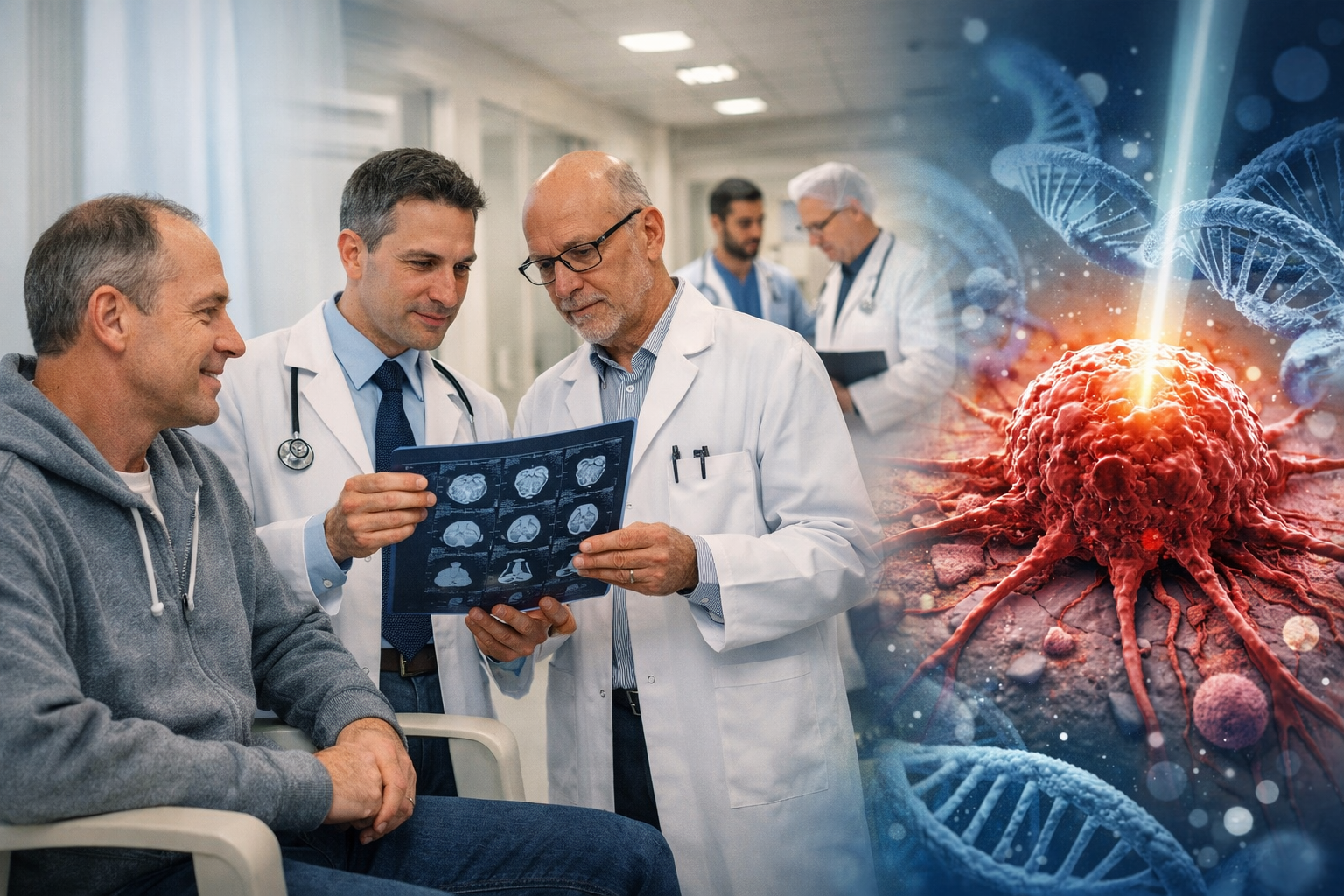
When people hear the word CANCER, it often brings fear and confusion. That reaction is understandable. Cancer is not a single disease, it is a broad group of conditions that can affect almost any part of the body. What connects them is how they begin, abnormal cells grow out of control, ignore normal signals, and can spread to nearby or distant tissues if not treated in time.
This article breaks cancer down in clear terms, how it starts, how doctors find it, and how modern treatments work together to improve outcomes and quality of life.
What Cancer Really Is
At its core, cancer starts with changes inside a cell. Healthy cells grow, divide, and die in an orderly way. Cancer cells do not follow those rules. They keep dividing even when the body tells them to stop. Over time, these cells form a mass called a tumor, although not all cancers form tumors.
Some cancers stay in one place for a long time. Others spread through the blood or lymphatic system, a process known as metastasis. This is why early detection matters so much. The earlier cancer is found, the more options doctors usually have.
Why Cancer Develops
Cancer does not have a single cause. It usually develops due to a mix of factors acting over time. These can include genetic changes inherited from parents, damage caused by smoking or alcohol, long-term infections, exposure to radiation, or even chronic inflammation.
Lifestyle plays a role, but not every cancer is preventable. Some people live very healthy lives and still develop cancer, while others may never face it despite known risks. What matters most is understanding symptoms, staying alert, and getting checked when something feels off.
Common Signs That Should Not Be Ignored
Cancer symptoms vary depending on the type and location, but some warning signs appear across many forms. These include unexplained weight loss, constant fatigue, pain that does not go away, unusual lumps, changes in bowel or bladder habits, persistent cough, or bleeding without a clear reason.
None of these automatically mean cancer, but they are signals the body is sending. Listening early can make a real difference.
How Doctors Diagnose Cancer
Diagnosis usually starts with a detailed conversation and physical examination. From there, doctors may recommend imaging tests like CT scans, MRI, or PET scans to look inside the body. Blood tests can show markers that suggest cancer activity.
The most definitive step is often a biopsy. This involves taking a small sample of tissue and examining it under a microscope. A biopsy does more than confirm cancer, it helps doctors understand the type, aggressiveness, and possible treatment response.
Understanding Cancer Staging
Once cancer is diagnosed, staging comes next. Staging describes how large the cancer is and whether it has spread. Early-stage cancers are often localized, while advanced stages may involve lymph nodes or distant organs.
Staging guides treatment decisions. It also helps doctors discuss realistic goals, whether that is cure, control, or symptom relief. Clear staging allows everyone involved to speak the same language.
Main Treatment Options Explained Simply
Cancer treatment is not one-size-fits-all. Doctors choose options based on cancer type, stage, overall health, and patient preferences.
Surgery aims to remove the cancer completely when it is confined to one area. In many cases, surgery is the first step.
Chemotherapy uses drugs to destroy rapidly dividing cells. It can shrink tumors, kill remaining cancer cells after surgery, or control cancer that cannot be removed.
Radiation therapy targets cancer cells with high-energy beams. It is often used alongside surgery or chemotherapy, or on its own for certain cancers.
Immunotherapy helps the body’s own immune system recognize and attack cancer cells. This approach has changed outcomes for several cancers that were once difficult to treat.
Often, these treatments are combined to achieve the best result.
Why a Team-Based Approach Matters
Cancer care works best when specialists collaborate. Surgeons, medical oncologists, radiation oncologists, pathologists, radiologists, and nursing teams each bring a different perspective. When they work together, treatment plans become more precise and more personal.
This team approach allows adjustments along the way. If one treatment is not working as expected, the plan can change quickly. It also means side effects are managed better, and emotional support is not overlooked.
Living With Cancer, Beyond Treatment
Cancer affects more than the body. It touches mental health, family life, work, and identity. Supportive care, nutrition guidance, pain management, and counseling are all part of modern cancer care.
Many people continue to work, travel, and enjoy daily life during treatment with the right support. Others need time to slow down and focus on healing. Both paths are valid.
What often surprises people is how much strength they find along the way, in small routines, honest conversations, and moments of normalcy that still exist between appointments and test results.
Cancer care today is not only about fighting disease, it is about understanding each person’s story, adapting treatment to fit that story, and moving forward step by step, even on days when the path feels uncertain.
