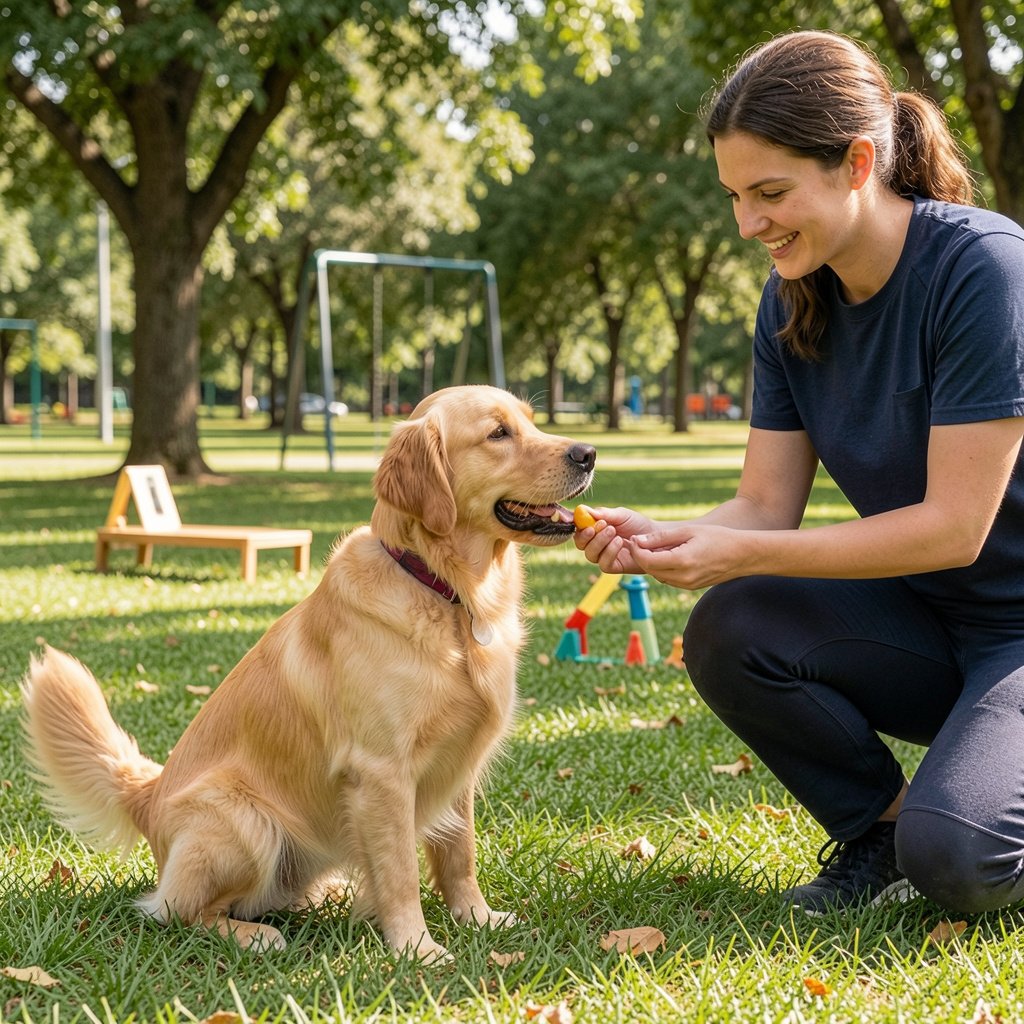
Training a dog is about much more than teaching commands. Lasting success comes from helping people understand how dogs learn, communicate, and respond to everyday situations. At Rob’s Dog Training, dog owner coaching sessions provide practical guidance that equips owners with the skills needed to build stronger relationships while encouraging positive behaviors at home and in public.
Many training challenges stem from inconsistent communication rather than stubbornness. Dogs naturally respond to clear expectations, routine, and positive reinforcement. When owners gain confidence in handling different situations, they create an environment where learning becomes easier for both themselves and their dogs.
Why Coaching Dog Owners Matters
Professional dog training often focuses on changing canine behavior, but owners are the ones who spend every day with their pets. Their actions, timing, consistency, and communication directly influence long-term results.
Coaching helps owners understand:
- How dogs interpret body language
- Why timing affects learning
- The importance of rewarding desired behaviors
- How routines influence behavior
- Ways to prevent unwanted habits before they develop
Instead of relying solely on training sessions, owners become active participants in their dog’s progress.
Building Better Communication
Dogs communicate differently than humans. They pay close attention to posture, movement, tone of voice, and environmental cues rather than lengthy verbal instructions.
Learning to communicate more effectively involves:
- Using consistent verbal markers
- Maintaining predictable routines
- Reading canine body language
- Reinforcing good choices immediately
- Remaining calm during challenging situations
When communication improves, confusion decreases, making it easier for dogs to understand what is expected.
How Dog Owner Coaching Sessions Create Lasting Results
Unlike one-time demonstrations, dog owner coaching sessions teach practical skills that owners continue using every day. The goal is to help people solve problems independently while strengthening trust with their dogs.
Coaching often includes:
Understanding Learning Principles
Owners learn why positive reinforcement encourages desirable behaviors more effectively than punishment-based methods. Rewarding correct decisions increases the likelihood that dogs will repeat those behaviors in future situations.
Improving Timing
Successful training depends on rewarding behaviors at the exact moment they occur. Small improvements in timing can significantly improve learning.
Developing Consistency
Dogs thrive on predictable expectations. Coaching helps every family member use similar cues, routines, and rewards, reducing confusion.
Recognizing Stress Signals
Dogs often display subtle signs of stress before behavioral issues become obvious. Learning to recognize these signals allows owners to respond appropriately before situations escalate.
Common Topics Covered During Coaching
Every dog and household has different needs, but coaching sessions frequently address everyday situations that owners encounter.
These may include:
- Loose leash walking
- Reliable recall
- Greeting visitors politely
- Preventing jumping
- Managing excessive barking
- Household manners
- Puppy development
- Confidence building
- Socialization guidance
- Multi-dog household management
Rather than providing one-size-fits-all advice, coaching focuses on practical solutions that fit each owner’s lifestyle.
Understanding Why Dogs Behave the Way They Do
Behavior is influenced by many factors, including genetics, environment, previous experiences, health, and daily routines. Effective coaching helps owners look beyond unwanted behaviors and identify the reasons behind them.
For example, barking may result from:
- Excitement
- Fear
- Boredom
- Frustration
- Alerting behavior
- Lack of mental stimulation
Addressing the underlying cause often leads to better long-term outcomes than simply trying to stop the behavior.
Creating Consistent Daily Routines
Dogs generally perform best when daily activities follow predictable patterns. Coaching helps owners establish routines that encourage calm behavior while reducing uncertainty.
Helpful routines often include:
- Regular exercise
- Mental enrichment activities
- Scheduled feeding times
- Short training sessions
- Rest periods
- Consistent bedtime routines
Predictability helps many dogs feel more secure while supporting steady learning.
Positive Reinforcement Builds Confidence
Modern dog training emphasizes rewarding behaviors owners want to encourage. Positive reinforcement strengthens learning while helping dogs develop confidence during training.
Rewards may include:
- Treats
- Toys
- Praise
- Play
- Access to preferred activities
Choosing meaningful rewards helps maintain motivation while creating enjoyable learning experiences.
Teaching Owners to Solve Problems
One of the greatest benefits of coaching is learning how to approach future challenges independently.
Rather than memorizing individual solutions, owners develop skills such as:
- Identifying behavioral triggers
- Breaking complex behaviors into manageable steps
- Adjusting training plans when needed
- Recognizing progress
- Preventing setbacks
These problem-solving abilities remain valuable throughout a dog’s lifetime.
The Importance of Patience
Behavior change rarely happens overnight. Dogs learn through repetition, consistency, and gradual improvement.
Coaching encourages owners to:
- Celebrate small successes
- Set realistic expectations
- Avoid comparing progress with other dogs
- Focus on consistency rather than perfection
Steady improvement often produces stronger long-term habits than rushing the training process.
Strengthening the Human-Canine Bond
Training is not simply about obedience. Every positive interaction strengthens trust between dogs and their owners.
Activities that support this relationship include:
- Interactive play
- Cooperative handling
- Reward-based learning
- Daily enrichment
- Calm communication
- Shared routines
A strong relationship encourages dogs to remain engaged and responsive in a variety of environments.
Preventing Common Training Mistakes
Many behavioral setbacks occur because owners unknowingly reinforce unwanted behaviors or unintentionally create inconsistent expectations.
Coaching helps avoid common mistakes such as:
- Repeating cues multiple times
- Rewarding attention-seeking behaviors
- Skipping regular practice
- Training for sessions that are too long
- Expecting immediate perfection
- Using inconsistent commands
Understanding these habits allows owners to make simple adjustments that improve results.
Adapting Training to Different Life Stages
Dogs continue learning throughout their lives, but their needs change with age.
Puppies
Young dogs benefit from early socialization, confidence-building activities, gentle exposure to new experiences, and learning household routines.
Adolescents
Teenage dogs often test boundaries while becoming more independent. Coaching helps owners maintain consistency during this important developmental period.
Adult Dogs
Adult dogs can continue learning new skills while improving existing behaviors through structured practice.
Senior Dogs
Older dogs may require modified training techniques that accommodate physical changes while supporting mental stimulation and continued engagement.
Making Training Part of Everyday Life
Training does not have to occur only during formal practice sessions. Everyday routines provide valuable learning opportunities.
Owners can reinforce positive behaviors while:
- Preparing meals
- Greeting visitors
- Going for walks
- Playing games
- Relaxing at home
- Traveling together
These daily interactions create countless opportunities for learning without adding extra complexity to busy schedules.
Confidence Leads to Better Outcomes
Dogs often respond to the confidence and consistency of their handlers. Coaching gives owners practical tools that reduce uncertainty while improving decision-making during training.
As owners become more comfortable handling different situations, dogs frequently become calmer and more responsive.
Confidence develops through:
- Repetition
- Clear instruction
- Guided practice
- Constructive feedback
- Real-world experience
Over time, both owner and dog become more comfortable navigating new environments together.
Measuring Progress Beyond Obedience
Success should not be measured solely by whether a dog sits or stays on command. Coaching encourages owners to recognize broader signs of improvement.
These may include:
- Faster recovery from distractions
- Increased focus
- Better impulse control
- Improved confidence
- Reduced stress
- More enjoyable daily routines
These changes often have a meaningful impact on everyday life.
Supporting Lifelong Learning
Training is an ongoing process rather than a one-time achievement. As dogs encounter new environments, people, and experiences, they continue learning and adapting.
Owners who understand learning principles are better prepared to reinforce good habits while addressing new challenges as they arise. This creates flexibility that supports long-term success throughout every stage of a dog’s life.
Consistent guidance, realistic expectations, and ongoing practice help maintain progress while strengthening the relationship between dogs and their families.
Final Thoughts
Successful training begins with informed, confident owners who understand how to communicate clearly and consistently with their dogs. Coaching provides practical knowledge that extends far beyond teaching basic commands, helping families navigate real-life situations with greater confidence and understanding.
By investing in dog owner coaching sessions with Rob’s Dog Training, owners can build lasting skills that support better behavior, stronger relationships, and a more enjoyable life together.